
FoodExpoConnect Blog
Cold Chain Logistics Guide for Food Exports: Optimizing Reefer Containers (2026)
Learn how to select and manage reefer containers to reduce spoilage by 30% and cut logistics costs by 15% in food export operations.
Introduction to Cold Chain Logistics
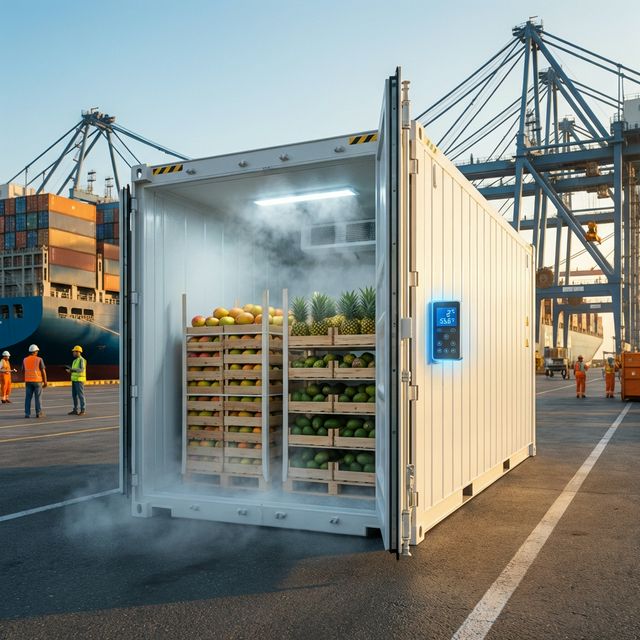
Imagine you're at a busy lorry yard at dawn, surrounded by fresh produce ready for export. Every hour counts to keep it fresh on its journey across borders. Do you know how to choose, manage, and optimize reefer containers to ensure your perishable cargo arrives in perfect condition? The temperature-controlled supply chain is the backbone of global food trade.
This guide provides an actionable roadmap to cut spoilage by 30% and reduce logistics costs by 15%, according to the latest 2025 insights for fleet managers. We will cover everything from selecting the right reefer container type to advanced temperature monitoring and cost-saving tactics to secure your food export operations. For more on export regulations and food safety compliance, check out our dedicated resources.
Selecting the Best Reefer Containers for Food Exports
Reefer containers are specialized refrigerated shipping containers designed to maintain a strict, controlled temperature for perishable goods during global freight transport. They are crucial for preserving cargo quality and safety, whether you are exporting dairy, frozen seafood, or fresh tropical fruits. For further technical specifications, refer to this comprehensive guide.
Temperature Monitoring Protocols in Cold Chain Logistics
Step-by-Step Monitoring Workflows
To ensure optimal performance of your refrigerated containers and prevent cold chain breaks, follow these monitoring steps for temperature, humidity, and ethylene levels:
- Pre-Trip Inspection (PTI): Mandate a thorough check of the compressor and cooling unit's temperature calibration before stuffing the container.
- Real-Time IoT Monitoring: Use Internet of Things (IoT) data loggers for continuous temperature and humidity tracking. Set automated alerts for any standard deviations. Learn more about IoT innovations in cold chain logistics.
- Ethylene Gas Management: Deploy active scrubbers or absorbers for ethylene-sensitive agricultural exports to minimize premature ripening.
- End-of-Trip Assessment: Inspect cold storage handoffs upon arrival at the destination port or buyer's warehouse to confirm conditions were maintained.
Temperature and Humidity Baselines
- Temperature Zoning: Keep specific ranges strictly managed; frozen seafood at -18°C, chilled meat at -1°C to 1°C, and fresh fruits slightly warmer depending on the commodity.
- Humidity Control: Regularly check moisture levels. Excess moisture leads to fungal bloom and mold, while deficient humidity causes weight loss and product dehydration.
Cost Optimization in Cold Chain Shipping
Container Utilization and Freight Forwarding
Optimize your logistics costs by maximizing container utilization rates:
- Maximize Load Capacity: Fill reefer containers to their optimal payload capacity without risking product airflow. Shipping empty space severely inflates unit costs.
- Strategic Route Planning: Collaborate with your freight forwarder to use advanced routing software. Minimizing transit times and port delays directly reduces fuel surcharges and plug-in fees for refrigerated cargo.
Maintenance Schedules for Reefer Units
Routine maintenance of transport refrigeration units (TRUs) is vital to prevent mid-ocean failures. Follow this checklist:
- Weekly Checks: Inspect door seals and gaskets for wear to prevent thermal leaks.
- Monthly Maintenance: Clean and sanitize the container interior to meet phytosanitary standards.
- Annual Overhaul: Service the compressor, condenser, and evaporator coils.
Cargo Insurance Considerations
Ensure your perishable food exports have adequate marine cargo insurance. Your policy must specifically cover spoilage resulting from reefer machinery breakdown or prolonged port delays.
Real-World Case Studies in Cold Chain Management
Case Study: FreshFood Exports
FreshFood Exports, a UK company specializing in organic fruits, reduced their spoilage rate from 25% to 5% by switching to controlled atmosphere containers and adopting rigorous IoT temperature monitoring. They also cut cold chain shipping costs by 12% with improved route planning and maximized container utilization, as highlighted in the Ultimate Guide to Refrigerated Shipping.
Common Mistakes Exporters Make with Reefer Containers
- Neglecting Pre-Trip Inspections (PTI): Sourcing a container without checking the refrigeration unit's function before loading is the leading cause of cargo loss.
- Ignoring Environmental Factors at the Destination: Failing to account for the destination port's ambient climate can result in thermal shock during unloading.
- Underestimating Insurance Needs: Using basic shipping insurance instead of specialized perishable cargo coverage leaves you exposed to total loss.
Expert Tips & Best Practices for 2025
- Invest in Supply Chain Visibility: Use API-integrated IoT loggers to give buyers real-time visibility into their shipment's journey.
- Regular Training: Keep your logistics and warehouse teams updated on cold chain stuffing and handling protocols to reduce human error.
- Stay Updated on Trade Regulations: Follow evolving compliance rules, such as the EU’s Deforestation Regulation, which drastically affects documentation requirements for food exports.
Conclusion
By mastering reefer container selection, active temperature management, and route optimization, you can significantly reduce spoilage and slash logistics costs in your food export operations. Choose the right controlled atmosphere for your produce, monitor conditions relentlessly during global transit, and partner with reliable freight forwarders.
Evaluate your current supply chain practices and integrate these 2025 insights to protect your profit margins. For tailored B2B networking, explore our FoodExpoConnect Exhibitor Directory to find international wholesale buyers and logistics partners for your next food export journey.
Frequently asked questions
What temperature should I set my reefer container for fresh produce?
How often should I check the temperature monitoring systems on my reefer containers?
What are the primary causes of food spoilage during international ocean transport?
Quick facts
Published: 2/19/2026
Reading time: 5 min
Written by

Jean Marc Koffi
Co-authorJournalist & Export SpecialistLondon
Jean Marc Koffi is an MBA-trained trade specialist who connects African exporters to global buyers, with over $20M in contracts facilitated and expertise recognized by major trade organizations. Noted for rapid buyer network building, he is an experienced speaker and certified in trade facilitation, origin rules, and food safety.

Alocha Massamba
Co-authorFounder, Epifresh & FoodExpoConnectLondon
Alocha Massamba is the founder of Epifresh and FoodExpoConnect. He builds the technology, data and partnerships that connect African food producers and exporters to international buyers — with a focus on fresh-produce supply chains, cold-chain logistics, and the buyer-discovery platforms small and mid-size exporters need to compete with global incumbents.
Explore more export intelligence
Certification • Pricing Strategy • Market Access
5 Certifications Worth More Than a Price Cut in 2026
Stop competing on price. Organic, Fair Trade, Rainforest Alliance, B Corp, and SQF certifications can command 20-300% price premiums for African food exporters in 2026. Here is the ROI data for each.
Coffee Export • Market Access • EU Regulations
Coffee Export 2026: African Origins, Fair Trade Pricing & EU Market Access
Complete guide to coffee export from Ethiopia, Kenya and Rwanda — EUDR compliance, fair trade pricing, certification requirements, and how to access €12-18/kg EU buyer contracts in 2026.
Market Access • Africa Trade • Export Strategy
China Zero-Tariff Policy for African Food Exporters: Coffee Imports Surge 145.7% — How to Enter the World's Largest Market Duty-Free
China's zero-tariff policy covering 53 African countries is already producing dramatic results — coffee imports surged 145.7% in the first five months. How food exporters can access this duty-free window and bypass traditional tariff barriers.